

The 2026 Home Inspection Checklist for First-Time Buyers in Georgia: Termite & Foundation Focus
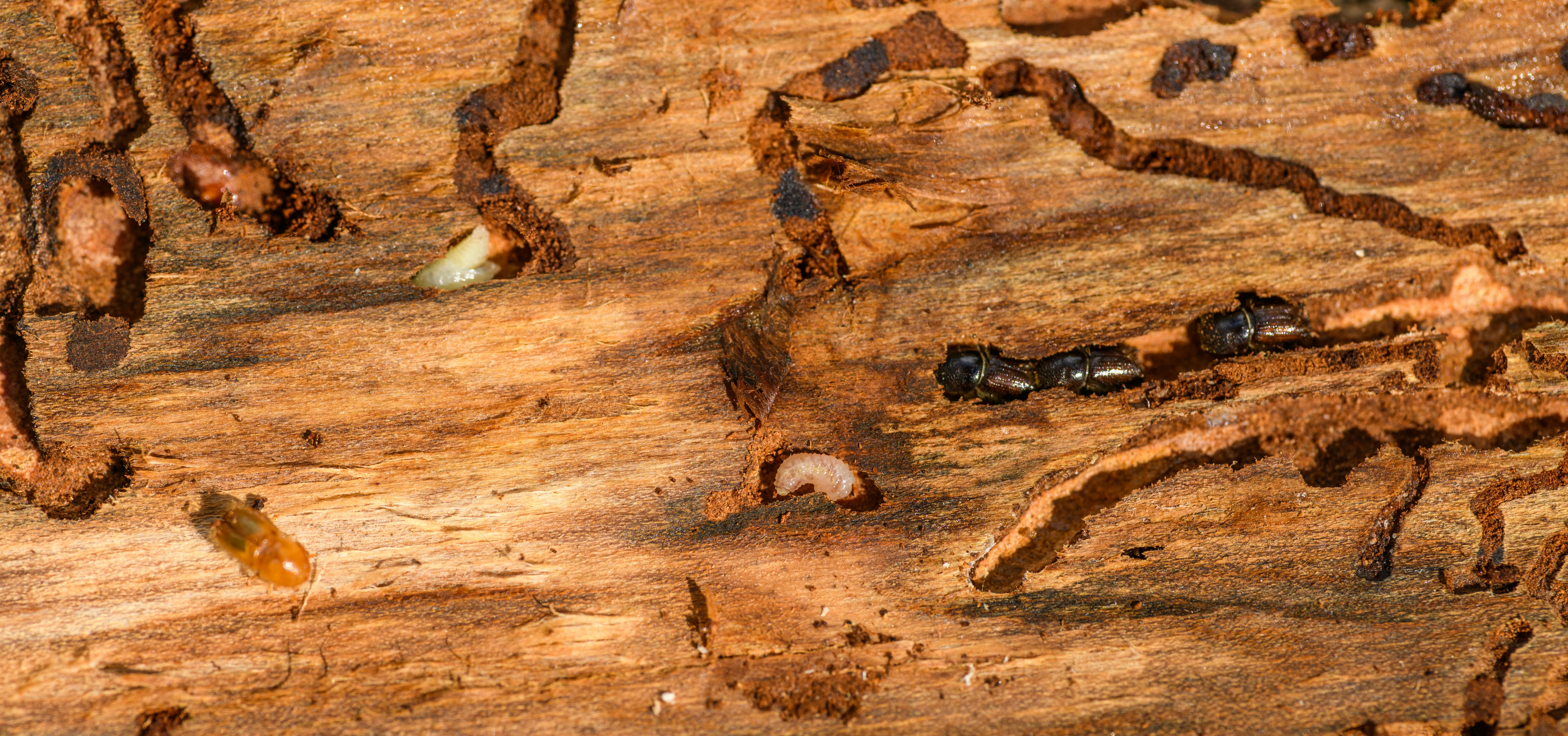
You found a house. The kitchen has granite counters, the backyard is perfect for a fire pit, and you are already picturing where the couch goes. Then your agent mentions the inspection, and a knot forms in your stomach. That knot is justified. In Georgia, a standard walkthrough is not enough. The soil, the humidity, and the bugs conspire against a home’s bones in ways that a fresh coat of paint hides easily. This home inspection checklist for first-time buyers in Georgia termite and foundation focus is built to cut through the cosmetic shine and zero in on the two things that can bankrupt a new owner: the structural slab under your feet and the silent insects eating the walls. By the time you finish reading, you will know exactly what to look for, what questions to ask, and how to walk into closing with your eyes wide open. Table of Contents Why Georgia First-Time Buyers Must Prioritize Termite and Foundation Inspections in 2026 Georgia sits in a high termite-pressure zone that makes a standard home inspection insufficient without a dedicated Wood Destroying Insect report. These pests are called silent destroyers for a reason. By the time you spot mud tubes crawling up a foundation wall or find a pile of frass on a windowsill, a colony has likely been chewing through floor joists and studs for months or even years. The repair bill for that kind of structural damage often reaches thousands of dollars, and your homeowners insurance policy will almost certainly not cover a dime of it. The ground itself presents a separate threat. Georgia’s expansive clay soil swells when wet and shrinks when dry, a cycle that puts relentless pressure on concrete slabs and block foundations. This movement causes cracks, uneven floors, and gaps that invite moisture inside. Where moisture goes, termites follow. A foundation issue is rarely just a foundation issue. It is a flashing neon welcome sign for wood-destroying organisms. When you combine the insect pressure with the soil conditions, skipping a specialized inspection becomes not just risky but financially reckless for a first-time buyer. Your Pre-Inspection Checklist: What to Do Before the Inspector Arrives Review the Seller’s Disclosure First Before you spend a dollar on an inspector, ask the seller for documentation. Through your agent, request any past Wood Destroying Insect reports, termite treatment warranties, and records of foundation repairs. A disclosure that mentions a past “spot treatment” for termites is a red flag. Spot treatments kill the bugs in one section of the wall but do nothing to stop the colony from moving to another. You want evidence of a full soil barrier treatment or a maintained bait system around the perimeter. Similarly, a disclosure that lists previous foundation crack repairs demands a closer look. Ask who did the work, when, and whether the warranty transfers to a new owner. Schedule a Separate WDI (Wood Destroying Insect) Inspection A general home inspection covers the roof, plumbing, electrical, and HVAC systems. It does not provide the forensic-level scrutiny that termites require. A WDI inspection specifically targets five organisms: subterranean termites, drywood termites, powder post beetles, wood-boring beetles, and wood-decaying fungus. In Georgia, the inspector performing this work must hold a license from the Georgia Structural Pest Control Commission. Do not let the general inspector tack on a “termite check” as a courtesy. Hire a dedicated pest professional who will probe baseboards, crawl through the crawlspace with a moisture meter, and produce a state-recognized report that lenders and you can rely on. Time Your Inspection Correctly Georgia purchase agreements typically include a due diligence period of seven to ten days after offer acceptance. Schedule both the general inspection and the WDI inspection early in that window. A thorough inspection of a standard single-family home takes two to four hours, and you need time afterward to review the reports, get contractor estimates for any major findings, and negotiate repairs or credits. Waiting until day eight to schedule leaves you with no leverage and a ticking clock. The Termite-Specific Inspection Checklist for Georgia Homes Visual Signs of Active Infestation When you walk the property with the inspector, keep your eyes trained on four specific indicators. Mud tubes look like pencil-sized tunnels of dirt running up foundation walls, across crawlspace piers, or along floor joists. Subterranean termites build these highways to travel from the soil to the wood without exposing themselves to open air. Break one open. If you see small, pale insects moving inside, the infestation is active. Frass is the sawdust-like waste that drywood termites push out of their galleries. You will find it collecting on windowsills, along baseboards, or beneath exposed beams. Unlike subterranean termites, drywood termites live entirely inside the wood and do not need soil contact, which makes them harder to detect. Discarded wings near windows, doors, or light fixtures signal a recent swarm. Reproductive termites fly out to start new colonies, shed their wings, and burrow in. A pile of translucent wings on the floor is not yesterday’s dust. It is a reproductive event that happened inside the house. Hollow-sounding wood is the oldest low-tech test in the book. Tap baseboards, window frames, and sill plates with the handle of a screwdriver. Solid wood returns a dull thud. Termite-damaged wood sounds hollow and may even crumble under pressure. If the inspector does not do this, do it yourself. Moisture and Wood-to-Ground Contact Termites need moisture to survive, and Georgia provides plenty of it. The inspector will flag any wood that touches soil directly: siding that extends below grade, deck posts set in dirt, stair stringers resting on the ground. Each point of contact is an unguarded bridge for subterranean termites to march from the earth into the structure. Leaky pipes under sinks, poor gutter drainage, and high humidity in the crawlspace create the damp environment termites prefer. Look for standing water in the crawlspace or basement. Even a small puddle that lingers after rain is a top risk factor. The inspector