

You found a house. The kitchen has granite counters, the backyard is perfect for a fire pit, and you are already picturing where the couch goes. Then your agent mentions the inspection, and a knot forms in your stomach. That knot is justified. In Georgia, a standard walkthrough is not enough. The soil, the humidity, and the bugs conspire against a home’s bones in ways that a fresh coat of paint hides easily. This home inspection checklist for first-time buyers in Georgia termite and foundation focus is built to cut through the cosmetic shine and zero in on the two things that can bankrupt a new owner: the structural slab under your feet and the silent insects eating the walls. By the time you finish reading, you will know exactly what to look for, what questions to ask, and how to walk into closing with your eyes wide open.
Table of Contents
- Why Georgia First-Time Buyers Must Prioritize Termite and Foundation Inspections in 2026
- Your Pre-Inspection Checklist: What to Do Before the Inspector Arrives
- The Termite-Specific Inspection Checklist for Georgia Homes
- The Foundation Inspection Checklist for Georgia Buyers
- General Home Systems You Cannot Ignore (Even with a Termite Focus)
- How to Use Your Inspection Report as a First-Time Buyer
- Common Mistakes First-Time Buyers Make During Inspections
- Frequently Asked Questions About Georgia Home Inspections (2026)
- Your Next Step: Get Expert Guidance for Your South Metro Atlanta Home Purchase
Why Georgia First-Time Buyers Must Prioritize Termite and Foundation Inspections in 2026
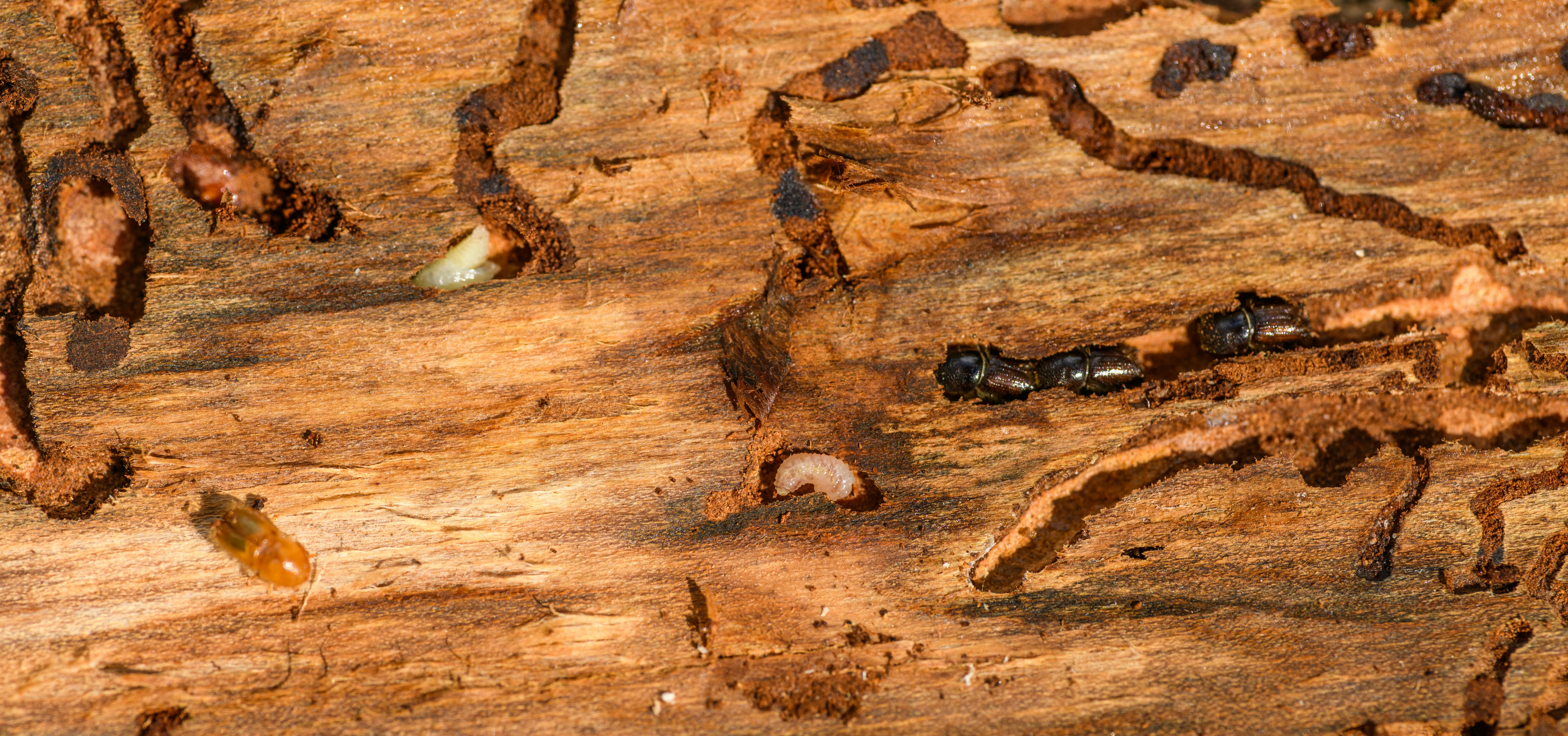
Georgia sits in a high termite-pressure zone that makes a standard home inspection insufficient without a dedicated Wood Destroying Insect report. These pests are called silent destroyers for a reason. By the time you spot mud tubes crawling up a foundation wall or find a pile of frass on a windowsill, a colony has likely been chewing through floor joists and studs for months or even years. The repair bill for that kind of structural damage often reaches thousands of dollars, and your homeowners insurance policy will almost certainly not cover a dime of it.
The ground itself presents a separate threat. Georgia’s expansive clay soil swells when wet and shrinks when dry, a cycle that puts relentless pressure on concrete slabs and block foundations. This movement causes cracks, uneven floors, and gaps that invite moisture inside. Where moisture goes, termites follow. A foundation issue is rarely just a foundation issue. It is a flashing neon welcome sign for wood-destroying organisms. When you combine the insect pressure with the soil conditions, skipping a specialized inspection becomes not just risky but financially reckless for a first-time buyer.
Your Pre-Inspection Checklist: What to Do Before the Inspector Arrives
Review the Seller’s Disclosure First
Before you spend a dollar on an inspector, ask the seller for documentation. Through your agent, request any past Wood Destroying Insect reports, termite treatment warranties, and records of foundation repairs. A disclosure that mentions a past “spot treatment” for termites is a red flag. Spot treatments kill the bugs in one section of the wall but do nothing to stop the colony from moving to another. You want evidence of a full soil barrier treatment or a maintained bait system around the perimeter. Similarly, a disclosure that lists previous foundation crack repairs demands a closer look. Ask who did the work, when, and whether the warranty transfers to a new owner.

Schedule a Separate WDI (Wood Destroying Insect) Inspection
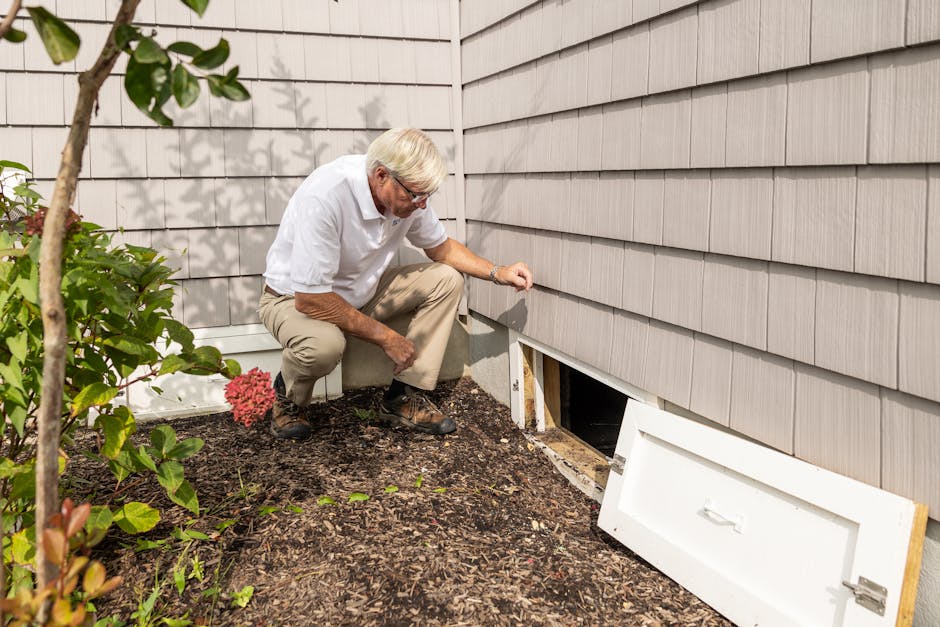
A general home inspection covers the roof, plumbing, electrical, and HVAC systems. It does not provide the forensic-level scrutiny that termites require. A WDI inspection specifically targets five organisms: subterranean termites, drywood termites, powder post beetles, wood-boring beetles, and wood-decaying fungus. In Georgia, the inspector performing this work must hold a license from the Georgia Structural Pest Control Commission. Do not let the general inspector tack on a “termite check” as a courtesy. Hire a dedicated pest professional who will probe baseboards, crawl through the crawlspace with a moisture meter, and produce a state-recognized report that lenders and you can rely on.
Time Your Inspection Correctly
Georgia purchase agreements typically include a due diligence period of seven to ten days after offer acceptance. Schedule both the general inspection and the WDI inspection early in that window. A thorough inspection of a standard single-family home takes two to four hours, and you need time afterward to review the reports, get contractor estimates for any major findings, and negotiate repairs or credits. Waiting until day eight to schedule leaves you with no leverage and a ticking clock.
The Termite-Specific Inspection Checklist for Georgia Homes
Visual Signs of Active Infestation
When you walk the property with the inspector, keep your eyes trained on four specific indicators. Mud tubes look like pencil-sized tunnels of dirt running up foundation walls, across crawlspace piers, or along floor joists. Subterranean termites build these highways to travel from the soil to the wood without exposing themselves to open air. Break one open. If you see small, pale insects moving inside, the infestation is active.
Frass is the sawdust-like waste that drywood termites push out of their galleries. You will find it collecting on windowsills, along baseboards, or beneath exposed beams. Unlike subterranean termites, drywood termites live entirely inside the wood and do not need soil contact, which makes them harder to detect.
Discarded wings near windows, doors, or light fixtures signal a recent swarm. Reproductive termites fly out to start new colonies, shed their wings, and burrow in. A pile of translucent wings on the floor is not yesterday’s dust. It is a reproductive event that happened inside the house.
Hollow-sounding wood is the oldest low-tech test in the book. Tap baseboards, window frames, and sill plates with the handle of a screwdriver. Solid wood returns a dull thud. Termite-damaged wood sounds hollow and may even crumble under pressure. If the inspector does not do this, do it yourself.
Moisture and Wood-to-Ground Contact
Termites need moisture to survive, and Georgia provides plenty of it. The inspector will flag any wood that touches soil directly: siding that extends below grade, deck posts set in dirt, stair stringers resting on the ground. Each point of contact is an unguarded bridge for subterranean termites to march from the earth into the structure.
Leaky pipes under sinks, poor gutter drainage, and high humidity in the crawlspace create the damp environment termites prefer. Look for standing water in the crawlspace or basement. Even a small puddle that lingers after rain is a top risk factor. The inspector should check that the crawlspace has a proper vapor barrier and that vents are open and unblocked to allow airflow.
Treatment History and Warranty Transferability
Ask the seller directly: does the home have a current termite bond or treatment warranty? In Georgia, many pest control companies offer bonds that transfer to a new owner, sometimes for a small fee. A bond means the company will re-treat if termites return and may cover repair costs up to a certain limit. Verify the date of the last treatment and whether the system installed was a liquid chemical barrier in the soil or a series of bait stations around the perimeter. Liquid barriers kill on contact and repel termites from the structure. Bait stations attract termites, poison them, and carry the toxin back to the colony. Both work, but a bait system requires ongoing monitoring and maintenance. A lapsed bait contract is a gap in protection.
The Foundation Inspection Checklist for Georgia Buyers
Exterior Foundation Signs
Walk the perimeter of the house slowly. Step cracks in brick or block follow the mortar joints in a stair-step pattern and often indicate settlement. A small step crack near a corner may be benign. A wide or expanding step crack that runs several feet is not.
Horizontal cracks in poured concrete or block walls are a serious structural concern. Vertical cracks happen as concrete cures and shrinks. Horizontal cracks mean the wall is bowing inward under pressure from expanding soil or water-saturated ground. This is a job for a structural engineer, not a handyman.
Gaps between the foundation and the surrounding soil suggest erosion or soil heaving. If you can see daylight between the dirt and the slab edge, water is likely running down alongside the foundation and undermining the footings.
Interior Red Flags
Inside the house, uneven or sloping floors are the most telling sign of foundation movement. Bring a marble or a small level and set it on the floor in several rooms. A marble that rolls quickly to one corner indicates a slope that exceeds cosmetic tolerance.
Sticking doors and windows that refuse to latch are not just annoying. When a foundation shifts, the frames shift with it, pinching the door or window in its opening. Look for gaps at the top or bottom of doors that are wider on one side than the other.
Drywall cracks near door frames, above windows, or where walls meet the ceiling can signal movement. Hairline cracks are common and often harmless. Cracks wider than a quarter inch, or cracks that reappear after being patched, suggest ongoing movement that needs evaluation.
Drainage and Grading
The ground around the house should slope away from the foundation at a rate of at least six inches of drop over the first ten feet. If the yard slopes toward the house, or if flower beds are mounded against the siding, rainwater is being directed straight into the foundation. Downspouts must extend at least five feet from the house. A short splash block that dumps water two feet from the corner is not adequate. Check that gutters are clean and that water flows freely through them during the inspection if rain allows.
General Home Systems You Cannot Ignore (Even with a Termite Focus)
While termites and foundations demand your primary attention, other systems directly affect them and your budget. The roof and attic deserve a close look. Missing shingles, curled flashing, or water stains on the attic sheathing indicate past or present leaks. The attic is also a prime location for termite mud tubes, especially where roof framing meets exterior walls.
Plumbing leaks under sinks, around toilets, or in the crawlspace create the moisture that attracts termites and can saturate the soil near the foundation. An inspector will run water at every fixture and check for drips. Pay attention to the water pressure and drain speed. Slow drains may indicate a clog or a collapsed sewer line, an expensive repair that has nothing to do with bugs but everything to do with your cash reserves.
The HVAC system is a major line item. Check the age of the unit. Most systems last fifteen to twenty years in Georgia’s climate. A unit nearing the end of its life is a negotiation point. Look at the condition of the ductwork in the crawlspace or attic. Torn, disconnected, or uninsulated ducts waste energy and pull in humid outside air.
Electrical systems are safety issues first and budget items second. Outdated wiring like knob-and-tube or aluminum, overloaded breaker panels, and ungrounded outlets are expensive to replace and can disqualify a home from insurance coverage until remedied.
How to Use Your Inspection Report as a First-Time Buyer
Prioritize Safety and Structural Issues
When the report lands in your inbox, it will look overwhelming. A thirty-page document listing dozens of “deficiencies” can make a solid house seem like a tear-down. Separate the findings into two categories: deal-breakers and maintenance items. Active termite infestation, foundation failure, standing water in the crawlspace, and mold are deal-breakers that require immediate and costly remediation. A dripping faucet, a cracked outlet cover, or a loose handrail are maintenance items you can fix after closing with a trip to the hardware store.
Request Repairs or Credits, Not a Perfect House
In Georgia’s competitive market, a buyer who submits a fifteen-item repair list risks the seller walking away. Focus your request on the big-ticket items: termite treatment, foundation repair, roof replacement, or major plumbing issues. Whenever possible, request a credit at closing rather than requiring the seller to hire a contractor. A seller’s incentive is to complete the repair as cheaply as possible. A credit puts you in control of hiring a qualified professional and ensures the work meets your standards.
Know When to Walk Away
Your due diligence period is your only guaranteed window to terminate the contract and recover your earnest money. If the combined cost of necessary repairs exceeds ten percent of the purchase price, or if a structural engineer reports that the foundation is actively failing, walking away is not a failure. It is a financial rescue. The money you spend on inspections is an insurance policy against buying a money pit.
Common Mistakes First-Time Buyers Make During Inspections
Skipping the WDI inspection to save seventy-five to one hundred fifty dollars is the most expensive mistake a Georgia buyer can make. The cost of treating an active infestation and replacing damaged wood runs into the thousands, and that assumes the damage has not spread to load-bearing members.
Not attending the inspection in person is a missed opportunity. Being there lets you see the issues with your own eyes, ask questions in real time, and understand the severity of a problem in a way that a written report cannot convey. A crack described as “noted at foundation wall” reads differently than a crack you can fit your thumb into.
Assuming a clean report means no future problems is dangerous. An inspection is a snapshot of one day. Termites can swarm tomorrow. A foundation can shift in the next drought. The report tells you the condition today. Maintaining the home is your job starting the day you take the keys.
Ignoring the crawlspace or attic because they are dirty or cramped is a mistake. These spaces are the most common entry points for termites and moisture. If you cannot bring yourself to crawl in, at least stand at the access door and shine a flashlight inside while the inspector points out what they see.
Frequently Asked Questions About Georgia Home Inspections (2026)
Q: How much does a home inspection cost in Georgia?
A: A standard home inspection typically runs between three hundred fifty and five hundred fifty dollars depending on the size of the house. A separate WDI termite inspection adds seventy-five to one hundred fifty dollars. For a property on a crawlspace or with a history of moisture issues, consider adding a mold inspection or a structural engineer’s evaluation, which will increase the total cost.
Q: Can I do my own termite inspection?
A: You can and should look for visual signs like mud tubes, frass, discarded wings, and hollow wood. What you cannot do is probe deep into structural members, use a moisture meter to find damp wood inside walls, or deploy thermal imaging to detect the heat signature of an active colony. Professionals bring tools and training that reveal what the naked eye misses.
Q: What is a WDO versus a WDI report?
A: In Georgia, the terms are used interchangeably. Both refer to Wood Destroying Organisms or Wood Destroying Insects. The report documents the presence or absence of the five target organisms and notes any visible damage. Lenders often require this report before closing, especially for FHA and VA loans.
Q: Are termite inspections required for an FHA or VA loan in Georgia?
A: Not universally, but lenders frequently require a WDI report if the property is in a high-risk area, which covers most of Georgia, or if the appraiser notes visible wood damage. Even when not required, you should never skip it.
Your Next Step: Get Expert Guidance for Your South Metro Atlanta Home Purchase
Buying your first home in Georgia is a milestone worth celebrating, but the inspection process can feel like a crash course in structural engineering and entomology. You do not need to become an expert overnight. You need someone who already is one, someone who can read a WDI report and tell you whether that foundation crack is a negotiation chip or a reason to run.
A local expert who knows South Metro Atlanta’s neighborhoods, soil conditions, and common inspection findings can save you from a costly mistake and help you negotiate from a position of strength. You bring the excitement. Bring the questions, too.
Schedule your free South Metro Atlanta homebuyer consultation with Wanda Britton today.